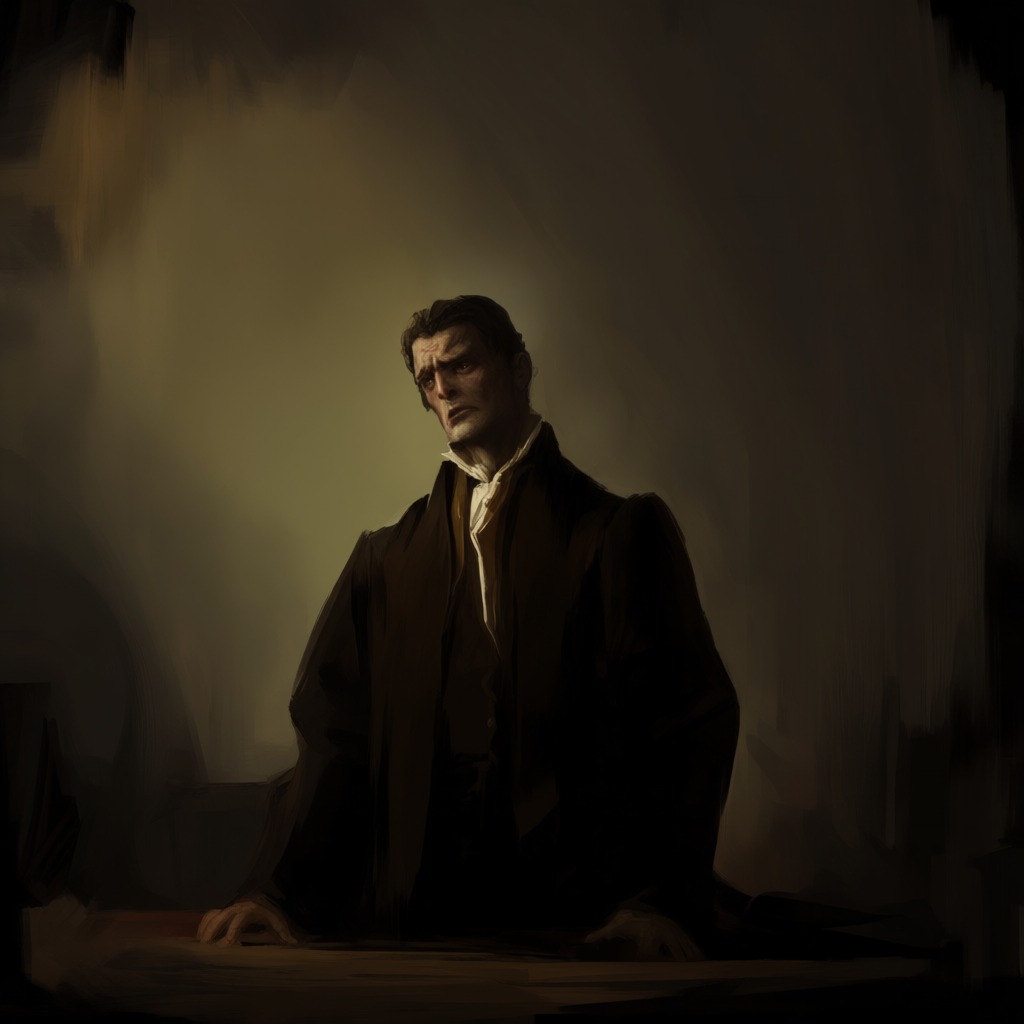
the vision-inducing herbs and lamp
The vision-inducing herbs and lamp form a deliberate, cunning defense mechanism deployed within the library of the abbey to protect its forbidden secrets from nocturnal intruders. Unlike the locked doors and stern prohibitions that guard the Aedificium by day, these devices exploit the psychology of fear, creating a supernatural atmosphere that convinces trespassers they have encountered ghosts or demons. The system is a calculated blend of natural pharmacology and theatrical illusion, designed not to kill but to terrify and disorient, ensuring that the library's mysteries remain inviolate.
Composition and Mechanism
The lamp itself is not an ordinary oil lamp but an uncovered thurible, a vessel typically used for burning incense. When Adso first encounters it during his nocturnal exploration of the library, it is smoking and flickering, with a light ash smoldering rather than a clear flame. The substance burning within produces no ordinary light but a haze that carries potent psychoactive compounds. William of Baskerville, upon finding Adso raving beneath a table after inhaling the fumes, immediately recognizes the smell and identifies it as an Arab preparation, possibly the same substance used by the Old Man of the Mountain to send his assassins on their missions. The herbs themselves are supplied by Severinus, the abbey's herbalist, who maintains a vast collection of medicinal and dangerous plants in his infirmary. Though Severinus claims to store dangerous herbs with great care, the librarian has access to them, and the abbot himself orders the daily preparation of these substances. The system is thus a collaboration between the library's guardians and the infirmary, a sanctioned use of natural pharmacology to enforce the prohibition against entering the library at night.
Effects on Intruders
The visions induced by the lamp are not random but draw on the victim's own fears, desires, and recent experiences. When Adso inhales the fumes, he sees the dragon from a Mozarabic Apocalypse multiply before his eyes, the ceiling of the room bend and press down toward him, and a woman bathed in light breathe on his face. He then hallucinates Berengar staring at him with a hateful, lustful smile, and his own hands transform into the claws of a toad. William explains that half of what Adso experienced was developed from what he had glimpsed in the book open on the table, and the other half from his own desires and fears. The herbs thus act as a catalyst, amplifying the subject's existing mental content into a terrifying, immersive hallucination. The effect is so powerful that Adso loses consciousness and requires William to carry him to another room to recover. The lamp is placed in a room that also contains a mirror, another of the library's defensive devices, creating a layered experience of disorientation and terror.
Narrative and Thematic Significance
The vision-inducing herbs and lamp serve as a concrete, material manifestation of the library's central paradox: a place dedicated to the preservation of knowledge that uses knowledge itself to conceal and deceive. The same learning that could illuminate the truth is employed to generate falsehood and fear. The device also highlights the complicity of Severinus, a character who initially appears as a benign healer, in the library's system of defense. His willingness to supply the herbs, even if under the abbot's orders, implicates him in the very crimes he later helps investigate. The lamp's revelation as a natural, rather than supernatural, phenomenon is a key moment in William's investigation, demonstrating that the library's terrors are the product of human cunning, not diabolical intervention. It reinforces the novel's theme that the greatest dangers often arise not from the supernatural but from the perversion of human reason and the misuse of knowledge for the purposes of control and concealment.